

Gracious Confrontation: Fears and Fruit
by Rob Genin
Confrontation may be the least enjoyable part of leadership. It takes wisdom, tact, and prayer. Yet it is essential! The wise gardener knows that trees do not know the best way to grow. One I spoke to said, “No matter how big or healthy the limb, if it is growing in the wrong way, you need to remove it.” With a tree, it may be hard work. With people, it can be tougher than that. We need encouragement to persevere! Here are a couple reasons to prayerfully consider gracious confrontation:
1. Confrontation is a command. “Reprove your neighbor frankly, lest you incur his guilt” (Leviticus 19:17).
2. Confrontation is modeled by wise people in scripture. Consider a few examples:
Moses was wearing himself out hearing disputes and judging cases of his fellow Israelites in the wilderness. His father-in-law Jethro came to him in Exodus 18 and told him what he was doing was unwise. He advised Moses to appoint judges over thousands, fifties and tens.
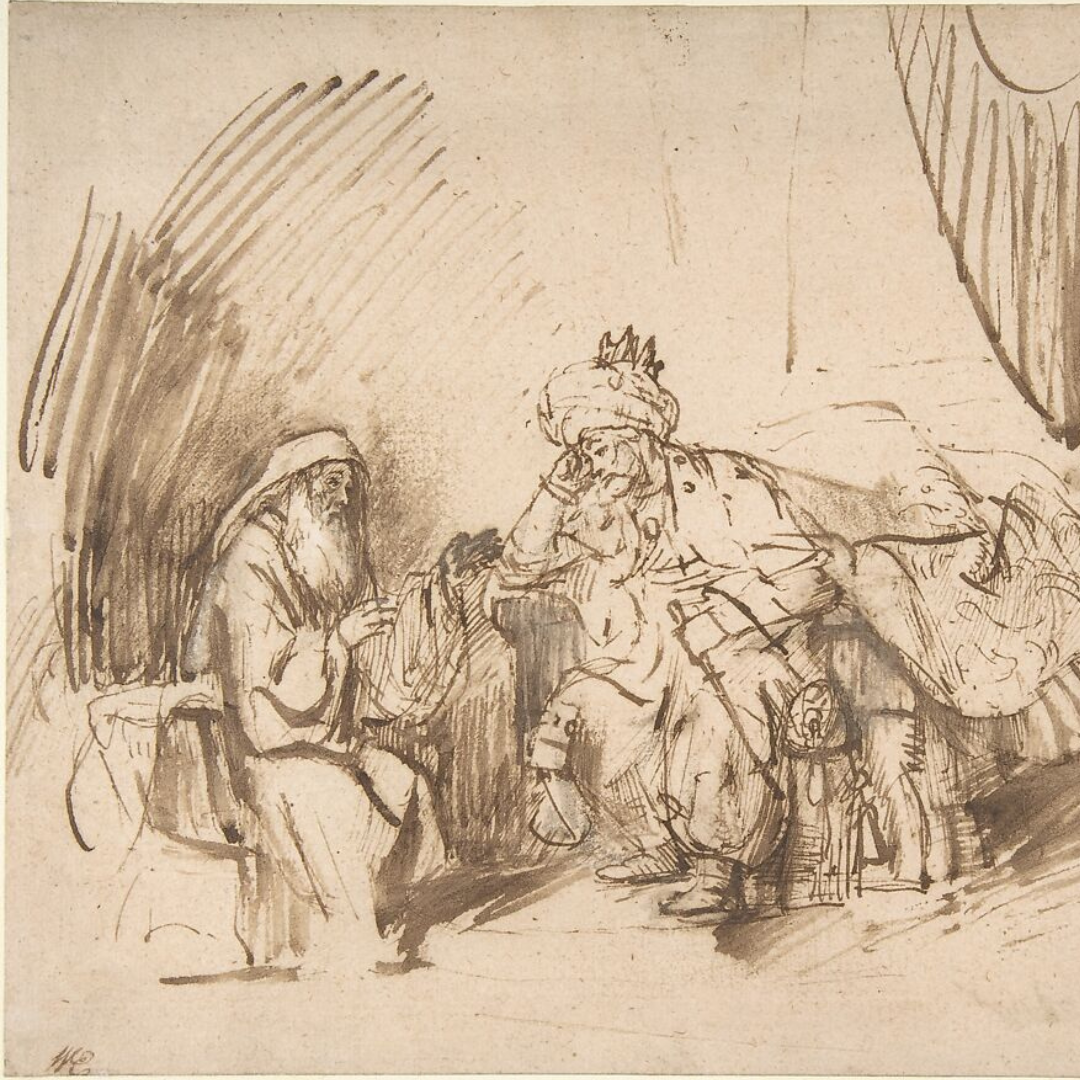
In 2 Samuel 11-12, David had committed crimes of adultery and murder, and the prophet Nathan confronted him through a wise story. He helped David to finally see himself in the cruelty of a rich man who steals and kills a poor man’s dear and only sheep.
Peter was a leader in the early church. When the church navigated a difficult question on Jewish and Gentile believers, Peter recognized all were equal and able to fellowship together. However, as a Jew, he started eating apart from the Gentiles under the peer pressure of a couple influential men. Paul confronted him with his hypocrisy (Galatians 2:11-14).
Paul himself misjudged a man named Mark. He refused to travel with him, and it broke up his missions partnership with Barnabas. Barnabas stood by Mark. Years later, in a difficult prison, Paul wrote to Timothy, “Bring Mark, for he is helpful to me in ministry” (2 Timothy 4:11).
3. Confrontation can bear amazing fruit. Consider the corrections we just looked at from scripture: with Moses, the people were served by increased capacity and (likely) more patient decisions, and Moses himself avoided burnout. David, thanks to the correction, returned to obedience and modeled repentance (Psalm 51). He still experienced earthly consequences for his sin, but the repentance he showed continues to help us today. The rebuke Peter received resulted in better leadership for the whole church and all who followed his example. I believe the gospel spread more freely and extensively as a result. Barnabas helped to reclaim Mark for ministry by his stand against Paul. Even Paul, who may have been stubborn at that moment, eventually emerged a wiser and more gracious man and was reconciled to Mark.
These are encouraging stories because they turned out well. Many of us are fearful because we have confronted someone and it has not turned out well – in fact things only got worse. Proverbs 9:8 explains: “Do not reprove a scoffer, or he will hate you, Reprove a wise man and he will love you.” Clearly some people will not listen to correction and will only bear a grudge. I don’t know about you, but I am very slow to label someone a scoffer. I know my own sins and stubbornness have hurt others. This is why we should prayerfully and patiently evaluate situations for confrontation.
One other note – in the case of Nathan, he had to confront someone who, at least in the case of earthly power, was his superior. I described confrontation as a hard part of leadership – sometimes we must exercise leadership towards those over us, and those are some of the hardest confrontations.
Is confrontation difficult? Absolutely. Should we continue to pray for wisdom and use this crucial practice? Yes.